
Table of Contents
- What Is Telehealth?
- What Are the Benefits of Telehealth?
- What Conditions Do Virtual Mental Health Services Address?
- How Does Medicare Cover Telehealth?
- What Are the Challenges in Providing Telehealth to Older Adults?
- Best Practices for Telehealth Implementation in Long-Term Care Facilities
- Frequently Asked Questions

What Is Telehealth?
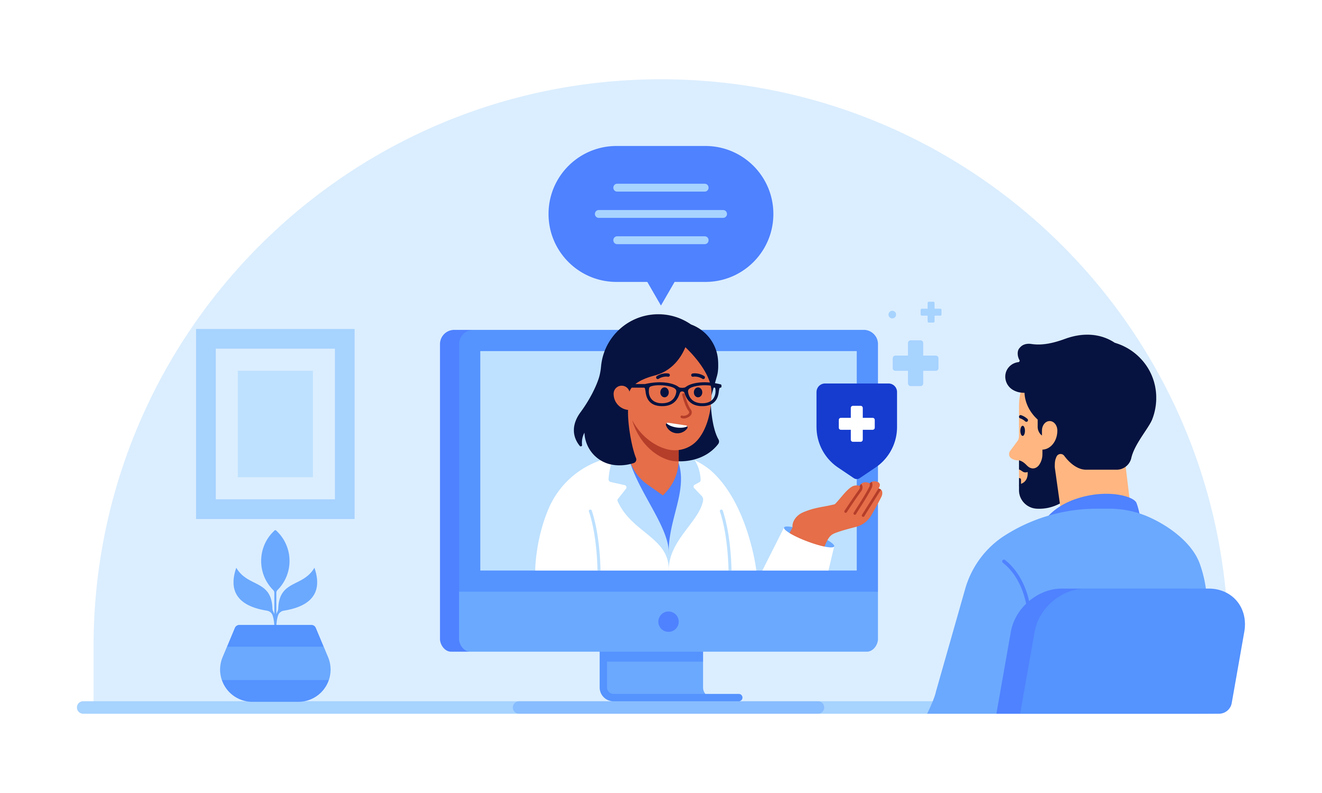
Telehealth is the delivery of medical, behavioral health, and wellness services through secure audio or video technology, allowing patients to receive care in their homes or care facility without traveling to outside appointments. Deer Oaks specializes in tele-behavioral health for long-term care residents, providing HIPAA-compliant video sessions with psychologists and psychiatrists that mirror its on-site services in both quality and scope.
| Term | Telehealth | Broad term for healthcare services delivered through technology, including medical, behavioral, and wellness care. | Integrated on-site and tele-behavioral health services supporting LTC facilities across multiple states. |
|---|---|---|
| Telemedicine | Remote delivery of clinical medical services through video or telephone consultation. | Remote delivery of clinical medical services, including psychiatric evaluations, medication management, and ongoing clinical monitoring coordinated with facility medical teams. |
| Teletherapy | Delivery of psychological counseling and behavioral health treatment through video or phone sessions. | Psychological services utilizing empirically validated treatments, including evaluations, diagnostic clarification, and ongoing psychotherapy — such as CBT, supportive counseling, grief therapy, and behavioral activation. |
| Telepsychiatry | Remote psychiatric evaluation, diagnosis, treatment planning, and medication management by psychiatrists and nurse practitioners/physician assistants specializing in psychiatry services. | Specialized psychiatric care delivered remotely: diagnostic evaluations, medication management, GDR-compliant oversight, and treatment planning. |
| Tele-Behavioral Health | Umbrella term encompassing remote psychiatry, psychology, counseling, and behavioral health services. | Deer Oaks' integrated model using the same credentialed clinicians across virtual and on-site care settings. |
What Are the Benefits of Telehealth?
The primary benefits of telehealth in long-term care include expanded access to specialists, reduced infection risk, and continuity of care. For many rural and underserved communities facing behavioral health workforce shortages, telehealth provides access to services that may otherwise be unavailable.
| Access to Specialists | Many nursing homes face limited access to geriatric behavioral health specialists, particularly in rural markets. | Psychology and psychiatry services delivered through one coordinated clinical team. |
| Reduced Infection Risk | Residents receive care without transportation to outside medical offices or clinics and can continue receiving services during infection-control situations, whether a resident is on isolation precautions or the facility is managing an outbreak. | Sessions occur within the resident's familiar care environment using Deer Oaks-provided equipment. |
| Continuity of Care | Consistent provider relationships improve communication, trust, and treatment adherence. | The same credentialed clinicians provide both on-site and virtual services whenever possible. |
| Reduced Caregiver Burden | Staff spend less time coordinating transportation, escorts, and appointment logistics. | Deer Oaks supports implementation, scheduling, and staff training. |
| Rural Access | Workforce shortages make specialist access challenging in many communities. | Multi-state tele-behavioral health services extend access beyond traditional geographic limitations. |
Telehealth services for long-term care residents are most effective when integrated into existing facility workflows rather than operating as a separate program. Deer Oaks works directly with facility leadership, nursing teams, and social services departments to ensure virtual mental health services support resident care plans, treatment goals, and operational priorities.
What Conditions Do Virtual Mental Health Services Address?
Tele-behavioral health services address the full range of mental health conditions commonly seen in long-term care, including depression, anxiety, social isolation, grief, dementia-related behavioral symptoms, and psychiatric conditions requiring medication management. These conditions are widespread, frequently undertreated, and highly responsive to telehealth-delivered behavioral health interventions.
| Depression & Anxiety | Among the most prevalent and undertreated mental health conditions in long-term care. | Psychotherapy utilizing empirically validated modalities such as CBT, supportive counseling, and behavioral activation, delivered via secure video with outcomes comparable to in-person care. |
| Social Isolation & Loneliness | Significant contributors to emotional distress, depression, and reduced quality of life among nursing home residents. | Significant contributors to emotional distress, depression, and reduced quality of life among nursing home residents. |
| Grief & Life Transitions | Loss of independence, relocation, bereavement, and changing social roles create ongoing emotional stress. | Individual counseling, grief therapy, adjustment counseling, and emotional support delivered through video sessions. |
| Chronic Condition Management | Depression and anxiety often accompany COPD, heart disease, diabetes, chronic pain, and recovery from illness or surgery. | Integrated behavioral health support combined with telepsychiatry and medication management when appropriate. |
| Dementia-Related Behavioral Symptoms | Agitation, resistance to care, anxiety, and emotional distress often benefit from nonpharmacologic approaches. | On-site assessment is often preferred, and direct telehealth engagement may be less suitable or effective depending on a resident's level of cognitive functioning. In these cases, telehealth still supports caregiver consultation, staff education, and treatment planning. |
| Psychiatric Evaluation & GDR Oversight | Many facilities lack consistent access to geriatric psychiatrists for medication reviews and CMS-required oversight. | Telepsychiatry provides psychiatric evaluations, medication management, and Gradual Dose Reduction support. |
Virtual mental health services are most effective when integrated into a broader care model that includes facility staff, family communication, treatment planning, and access to both psychological and psychiatric expertise. Deer Oaks combines teletherapy, telepsychiatry, and on-site services to create a flexible behavioral health continuum for long-term care residents.
How Does Medicare Cover Telehealth?
Traditional Medicare covers many telehealth services for older adults — including psychotherapy, psychiatric evaluations, behavioral health consultations, and other mental health services — through at least December 31, 2027. Beneficiaries typically pay the same cost-sharing as an in-person visit: 20% coinsurance after meeting the Medicare Part B deductible.
Additional Medicare telehealth provisions include:
- Teletherapy and behavioral health services can substitute for many in-person visits and are not limited to pandemic-era emergency programs.
- Covered telehealth visits may be conducted using HIPAA-compliant platforms on tablets, smartphones, laptops, desktop computers, or other approved devices.
- Audio-only telephone visits remain covered for certain behavioral health services when video technology is unavailable or inappropriate.
- Medicaid telehealth coverage varies by state, and Deer Oaks' multi-state licensure and billing expertise helps facilities understand and work within the coverage available in their jurisdiction.
For long-term care facilities, telehealth services can expand access to specialized behavioral health care without requiring residents to leave their communities or navigate transportation challenges.
What Are the Challenges in Providing Telehealth to Older Adults?
The primary challenges in providing telehealth to older adults include technology access and digital literacy, facility infrastructure readiness, staff training requirements, and the clinical limitations of remote care. Addressing these barriers proactively is essential to creating successful telehealth programs that improve access without compromising quality.
Technology Access and Digital Literacy
Many older adults continue to rely on audio-only telehealth visits because video technology can present usability challenges related to vision, hearing, dexterity, or familiarity with digital tools; approximately 47% of older adults access telemedicine via audio-only calls. While video visits are generally preferred for behavioral health care, successful telehealth accessibility programs provide devices, technical support, and staff assistance when needed.
Deer Oaks includes technology support as part of its partnership model and provides the equipment necessary to facilitate tele-behavioral health services at no cost to participating facilities.
Infrastructure and Staff Readiness
Telehealth adoption in nursing homes (39%) continues to lag behind adoption rates seen in hospitals (76%), largely because of infrastructure and workflow challenges rather than a lack of clinical need. Reliable broadband connectivity, designated private spaces, and staff members who can assist residents during appointments are critical to successful implementation.
Deer Oaks supports facilities in maximizing the value of their behavioral health programs beyond direct resident care. For facilities utilizing supported teletherapy services, we provide education on applicable CMS originating-site facility-fee billing opportunities — where facility location and program requirements allow — and help teams understand the processes and documentation associated with these services.
We also provide facility-level reporting on behavioral health visits and service utilization, helping leadership better understand resident access to care, identify opportunities for increased engagement, and monitor the impact of behavioral health services within their community.
Clinical Limitations: When In-Person Care Is Required
Telehealth is a powerful extension of behavioral health services, but it does not replace all in-person care. Acute psychiatric emergencies, comprehensive initial assessments, and residents with severe cognitive impairment may benefit from direct, face-to-face clinical evaluation.
Where available, Deer Oaks addresses these limitations through a hybrid care model that combines on-site visits with teletherapy and telepsychiatry, matching residents to the most appropriate level of care based on their clinical needs rather than the limitations of a delivery platform. In facilities where on-site services are limited by geography or staffing, Deer Oaks works with facility teams to coordinate appropriate care pathways, including referral or escalation when in-person evaluation is clinically necessary.
Best Practices for Telehealth Implementation in Long-Term Care Facilities
Successful telehealth implementation in long-term care settings depends on four foundational elements: technology infrastructure, clearly defined clinical protocols, staff training, and a provider with long-term care-specific compliance expertise. Facilities that establish these foundations before launch are more likely to achieve consistent adoption, better resident outcomes, and long-term program sustainability.
| Technology Infrastructure | Audit broadband reliability, device availability, and private HIPAA-compliant spaces before implementation. | Assuming existing WiFi capacity is sufficient for consistent high-definition video sessions |
| Clinical Protocols | Establish written criteria for in-person versus telehealth services (or referral/escalation where in-person care isn't available) and define escalation pathways. | Allowing clinicians to make inconsistent decisions without documented protocols |
| Staff Training | Designate a telehealth coordinator on each shift and train staff to assist residents during sessions. | Assuming residents can independently manage devices and technology |
| Provider Compliance | Select a partner with multi-state licensure, Medicare and Medicaid billing expertise, and HIPAA-compliant documentation processes. | Choosing a general telehealth platform without long-term care regulatory experience |
Deer Oaks helps facilities address each of these implementation areas through a comprehensive partnership model that includes equipment support, staff training, multi-state licensure expertise, Medicare and Medicaid billing knowledge, and HIPAA-compliant clinical documentation. This allows facilities to focus on resident care rather than telehealth administration.
Frequently Asked Questions
What is telehealth?
Telehealth is the delivery of medical, behavioral health, and wellness services through secure audio or video technology, allowing patients to receive care from their homes or care communities without traveling to outside medical appointments.
Is telehealth safe and private?
Yes. Telehealth is safe and private when delivered through HIPAA-compliant technology platforms that protect patient information and confidentiality. Deer Oaks uses secure, high-definition audio and video systems designed specifically for healthcare delivery and resident privacy.
What equipment does a patient need for a telehealth visit?
Most telehealth visits require a smartphone, tablet, or computer equipped with a camera and microphone, along with a reliable internet connection. Some Medicare-covered behavioral health services may also be conducted through audio-only telephone visits. Deer Oaks provides equipment to include an Android tablet, headset, and a rolling tablet holder to participating facilities at no cost.
Can telehealth help with chronic conditions in older adults?
Yes. Telehealth supports psychiatric and psychological services for older adults managing multiple health conditions. Virtual care can improve access to specialists while reducing the burden of frequent travel for appointments.
How can a rural nursing home start offering behavioral health telehealth?
A rural nursing home can begin by assessing resident behavioral health needs, identifying technology requirements, creating a private telehealth space, training staff, and partnering with a tele-behavioral health provider experienced in long-term care. Deer Oaks helps facilities navigate implementation, compliance, and clinical integration from day one.
Partner with Deer Oaks for Tele-Behavioral Health Services
Ready to bring integrated telehealth and behavioral health services to your facility? Deer Oaks partners with long-term care organizations nationwide to deliver psychology, psychiatry, and treatment planning through a flexible tele-behavioral health model designed specifically for older adults.